

The appeal of vintage pieces, especially from the 50’s and 60’s and few of the early 70’s is a trend that still is around and it has been for the last, at least, 5 years in an important way.

Why is that?
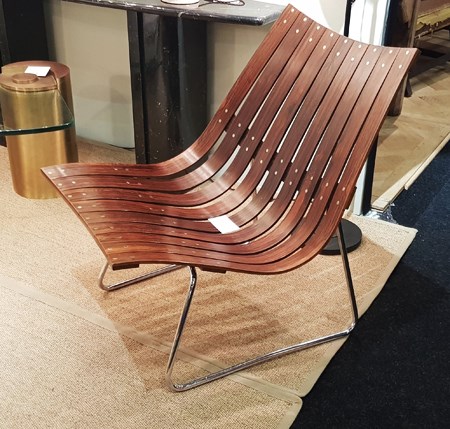
I was educated by teachers (when studying architecture) who had a deep appreciation for that period of time.
Yes, as a student, I was very excited by the possibilities of the digital world and how deconstructivism with Zaha Hadid and Frank Ghery were showing us that the future was now.
But I did get why those pieces representatives of modernism from The Bauhaus up to the proposals of Alvar Aalto and Frank Lloyd Wright were so fascinating.
They were the response to a world that was changing, where practicality, speed and functionality were as important as innovation and style. In an ironic way even though they were after a new language they understood the importance of proportions, scale and style, all aspects that the Greeks and Romans used to care a lot about and which helped to give to their creations that consistency and identity.

Two of the words that my teachers, the ones I respected, always used when talking about those pieces where proportion and scale. They hammered constantly the importance of these two. Of course the challenges involve the right use of colour, new materials, techniques, ideologies and trends. All that cocktail of thoughts was certainly an intoxicating one, full of promises and status.
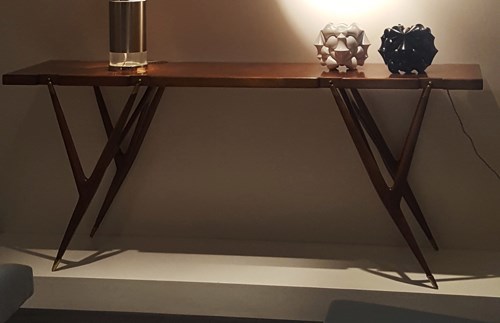
The facts that now, around 70 years later they still have a strong appeal is very telling of their qualities and universality.
It is my interpretation that their magnetism lies on:
_ Design (proportion, scale, detailing and consistency)
_A look that expresses practicality without giving up on style
_Simplicity is an important factor, no over designed, no over decorated pieces.
_Use of noble materials: wood, clay, leather and textiles
_Reference to organic elements that somehow connects us with the natural world even though the pieces were clearly thought as urban elements.
_They have become synonymous of elegance avoiding ostentation or vulgarity

This is, among other reasons, why I think these pieces have become so desirable for men who appreciate style in a discreet but powerful way in the context of a contemporary setting. They can add gravitas and certainly a refined taste to a room.


